
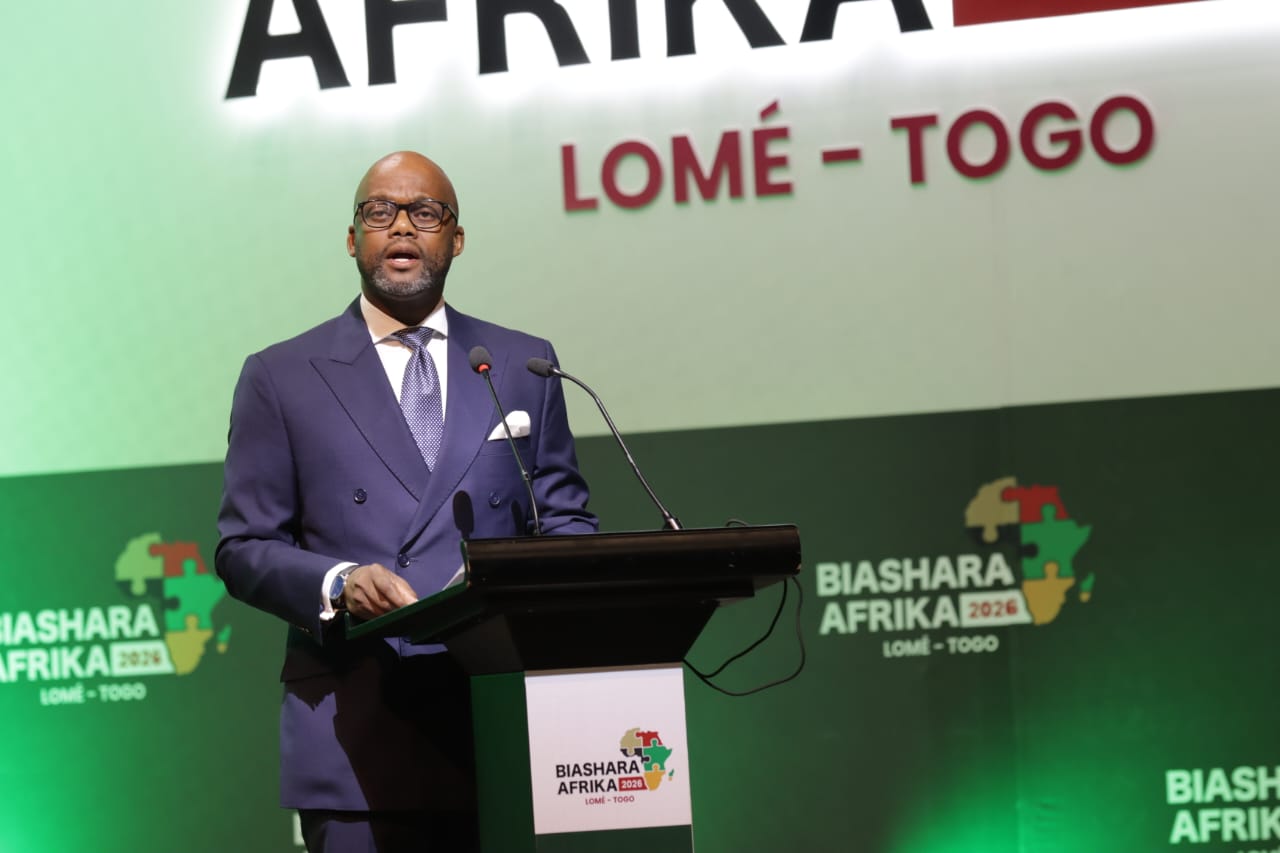
African Continental Free Trade (AfCFTA) Secretariat Secretary-General Wamkele Mene reported on Monday that the continent is beginning to witness impressive intra-regional trade under the AfCFTA.
Mene said in Lome, the Togolese capital, during the opening of the Third BIASHARA Afrika Conference, an annual premier Pan-African business and investment forum held by the AfCFTA that the value of intra-African trade increased to 220 U.S. dollars in 2024.a 12.5 percent increase from the year before.
He attributed the increasing trading momentum under the continental free trade framework to the support from African countries, with 50 members agreeing to the deal, with 26 of them actively trading using the AfCFTA’s special rules.
“This has resulted in a record intra-African trade reaching 220 billion U.S. dollars in value in 2024, a 12.5 percent increase from the year before, according to the Intra-Africa Trade Report of Afreximbank,” Mene stated, projecting the value to reach at least 230 billion dollars by 2027.
He also said that the Guided Trade Initiative, started in September 2022 by the AfCFTA Secretariat, has shown that it is possible and practical to transform trade using AfCFTA preferences.
Progress in Rules of Origin negotiations, including breakthroughs in sectors such as automotive manufacturing, is also laying the foundation for stronger regional value chains and industrial development, added Mene.
He urged automotive original equipment manufacturers to invest in industrial development in Africa, stating, “The AfCFTA’s auto sector local content rules are robust in fostering industrial development, job creation, and enabling a competitive auto sector in Africa for the benefit of our entire continent, not just the auto producers.”
“We must all be encouraged by the fact that the share of manufactured and agri-food products in intra-African trade continues to rise, pointing to a welcome, gradual structural shift away from primary commodity dependence toward a more diversified and value-added continental economy,” he added, urging that, “in this regard, the sector of critical mineral beneficiation and domestic processing must occupy our immediate attention.”
Ultimately, Mene said the success of the AfCFTA would depend on sustained political commitment, stronger institutions, coordinated investment, private sector leadership, and effective implementation at national, regional, and continental levels.
“If we maintain this momentum and work together with purpose and determination, the AfCFTA can help build a more industrialized, connected, resilient, and prosperous Africa; the Africa envisioned under the African Union Agenda 2063,” he stressed.
Togolese Council President Faure Gnassingbé opened the three-day conference.