
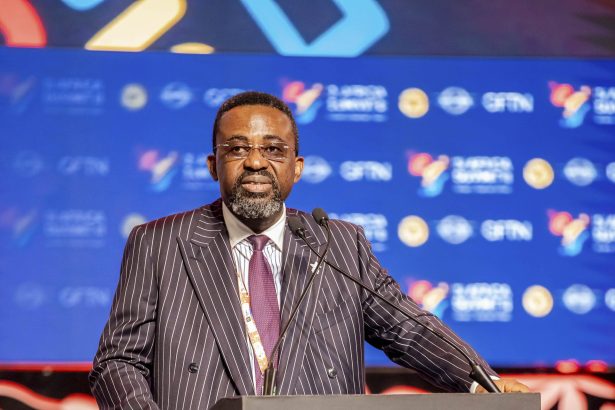
Ghana’s central bank late Wednesday announced a stay of its benchmark policy rate at 14 percent amid exacerbating geopolitical tensions.
This decision, announced by Bank of Ghana Governor Johnson Asiama after the latest Monetary Policy Committee (MPC) meeting, is the first interruption in the cycle of rate cuts commenced in July 2025, as inflation also inched up for the first time, to 3.4 percent in April, following a 16-month run of reductions since Dec. 2024.
Although headline inflation and expectations indicators picked up marginally, Asiama noted that core inflation declined, indicating continued easing of underlying inflationary pressures.
According to him, the latest forecast suggested that inflation is expected to trend upward into the medium-term target band largely due to base drift effects related to exchange rate movements, food supply conditions, and transport fares.
“Upside risks to the inflation outlook include the protracted Middle East crises, which could keep crude oil prices above 100 U.S. dollars per barrel and raise the prospect of petroleum price pass-through to domestic transport and utility costs,” the governor stated.
Moreover, he projected that the quarterly adjustment mechanism for utility tariffs could exert upward pressure on non-food inflation in the coming months. “However, relative exchange rate stability, increasing reserve buffers, and continued fiscal discipline are expected to help moderate these upside risks.”
“Based on the above considerations, the Committee (MPC) assessed risks in the outlook to inflation and growth as broadly balanced and decided to maintain the Monetary Policy Rate at 14.0 percent,” the governor announced.
Along with keeping the policy rate the same, the committee said it will change the dynamic cash reserve ratio to a flat 20 percent starting June 4, to improve how banks manage their money and support overall monetary policy.
This month, Ghana concluded its three-year reforms backed by a loan of 3.0 billion U.S. dollars from the International Monetary Fund (IMF).
Following that, the Ghanaian authorities and the IMF have agreed on a non-financing 36-month policy coordination instrument to help Ghana sustain the reforms.