
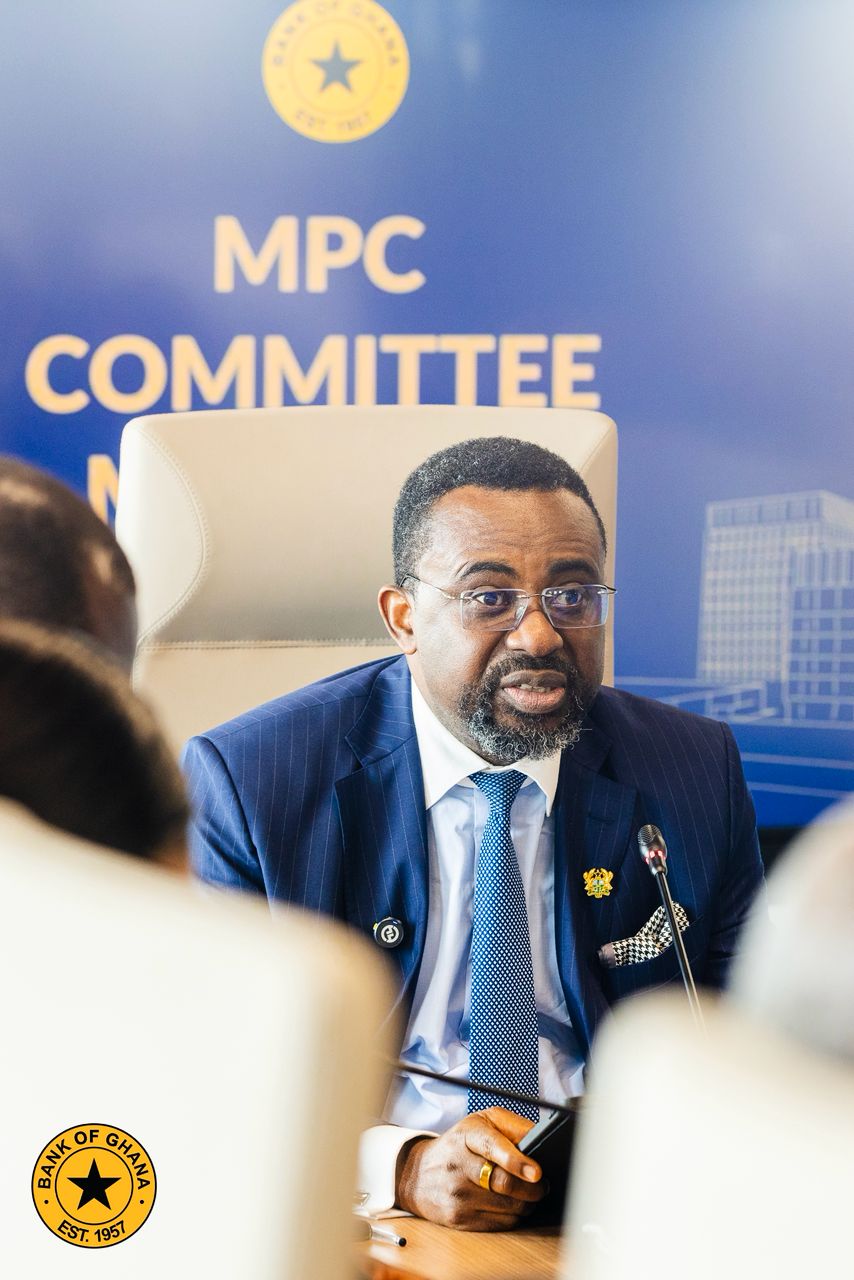
Ghana’s central bank will, in 2026, create the enabling environment to ensure that more credit is delivered to the manufacturing sector to boost industrialization, Bank of Ghana Governor Johnson Asiama pledged on Tuesday.
Asiama said during the 77th Annual New Year School, a policy and governance conference organized by the University of Ghana, that this policy direction would boost overall structural transformation.
He said industrialization requires a stable macroeconomic environment, functioning financial markets, and institutions willing to support productive investment over the medium to long term.
“In 2026, the emphasis will be on the quality of intermediation, ensuring that capital supports small and medium-scale enterprises (SMEs), manufacturing, agro-processing, and export-oriented enterprises that drive structural transformation,” the governor pledged.
According to him, the central bank spent 2025 rebuilding and restoring financial sector soundness, strengthening governance, and rebuilding confidence, which helped to restore the system’s capacity to support productive activity.
He said the focus on restoring financial sector soundness was crucial because stability creates the conditions for effective intermediation.
As stability returned, Asiama said commercial banks began to re-engage more actively with Ghana’s trade and export agenda. “Export finance desks were set up, support for agro-processing and non-traditional exports expanded, and firms were better positioned to manage trade and foreign exchange risks.”
“These developments matter because industrialization is inseparable from access to finance, predictable markets, and the ability to connect to regional and continental opportunities, including under the African Continental Free Trade Area framework,” said the governor.
Source: Judah Adjei Mensah