
by Justice Lee Adoboe
The Ghanaian government on Wednesday highlighted the urgent need for Africa to shift from resource extraction toward production, supported by stronger continental value chains, productive investments, and greater control over trade as keys to its recovery.
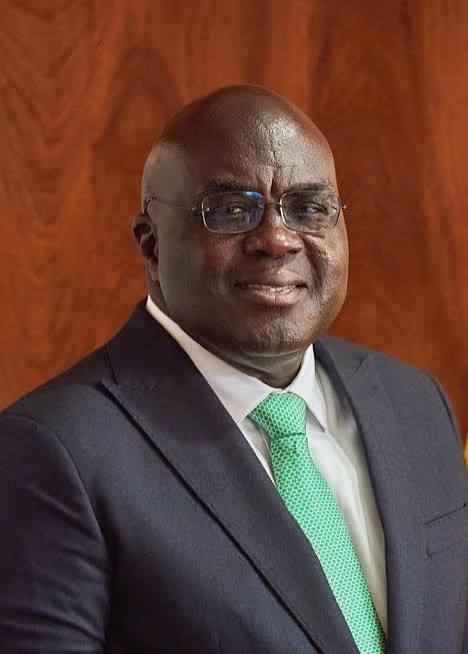
Julius Samuel Kwasi Debrah, Chief of Staff at the Presidency, who stood in for Ghanaian resident John Dramani Mahama during the ongoing Elevate Africa Convening 2026 in Accra, the Ghanaian capital, stated that Africa must take ownership of all facets of its economy and dictate its development.
According to Debrah, the African Continental Free Trade Area (AfCFTA) initiative and the Accra Reset initiative, a global development and political framework launched by President John Dramani Mahama to help countries in the Global South end their reliance on foreign aid and build practical sovereignty, are aspects of reparation Africa has been pushing for.
“When we build our own industrial base and trade among ourselves, we are reclaiming the economic agency that was stripped away,” the Ghanaian official argued.
He asked, “Who owns our cultural assets when African music, fashion, and film generate billions in global value, but the value does not return to the African creator? Who captures value from our resources? Who owns the productive capacity?”
If we link reparatory justice to AfCFTA implementation, to our creative economy, to cultural restitution, and to stronger Africa Diaspora citizenship, we turn a diplomatic moment into a durable program of repair, added the chief of staff.
“Reparatory justice must mean a shift from extraction to production. It must mean stronger African value chains, productive investment, and greater control over the terms of trade,” he highlighted, adding that building industrial capacity and expanding trade among African countries must be concrete steps toward recovering the economic agency lost through historical exploitation.
On her part, Fatima Maada Bio, Sierra Leonean First Lady and President of the Organization of African First Ladies for Development, stressed that African unity is a crucial driving force for the continent’s development.
Fatima Maada Bio added that Africa’s future will depend not only on the strength of its ambitions but also on its ability to translate them into sound institutions, strategic partnerships, and lasting economic opportunity.
The Two-day Elevate Africa Convening 2026 event, a gathering on leadership and governance in Africa, is under the theme “Africa, Defining Her Future.”