
by Franklin Cudjoe
Finance Minister. Ato Forson recently stated at a business forum organised by Ishmael Yamson and Associates that he has secured $1 billion of the nearly $4 billion required to complete the Accra-Kumasi highway. The first $500 million, he explained, comes from uncapping oil revenues—funds that will now be channelled directly into the project. The remaining $500 million is expected from mineral royalties. That leaves a funding gap of $3 billion.
On the face of it, the promised delivery date of 2028 appears overly ambitious. A more cautious estimate, even assuming compensation claims are settled without undue delay might be 2031. Meanwhile, reports indicate that military personnel have been deployed to forcibly clear occupants along the route, raising concerns about due process and social impact.
If the Ministry of Finance and the Ministry of Roads are confident in their timeline, we would welcome the timely tendering of the project. We also urge the release of technical reports detailing cost-saving measures and the types of materials to be used. For example, emerging cement manufacturing technologies have been shown to reduce road construction costs by up to 60% compared to traditional methods, a potential game-changer that deserves serious evaluation. Pragmatically we should have at least four of our biggest construction companies working on the express highway.
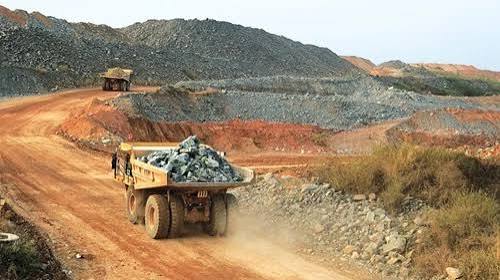
On Damang, I note that the Minority in Parliament has filed a Right to Information (RTI) request seeking further details about the Damang lease. I have raised similar questions and have been promised direct answers. My specific queries are:
What is the total consideration the state is demanding for the Damang lease?
Has this amount been paid?
Is the Tarkwa gold operation also being considered as part of this transaction?
A broader observation: A month before the Damang decision was made, I advised the President that all political principals involved in the decision-making process should recognise, from the outset, that three dimensions are deeply entangled:
A technically sound decision may be politically ruinous.
A politically astute outcome may prove financially unviable.
A commercially attractive arrangement may founder on legal process.
Navigating this terrain requires the willingness to confront each layer with equal rigour and to resist the temptation to optimise for any single variable in isolation. I trust that the Tarkwa transition will be evaluated under the same rubric. That said, I still believe E&P is capable of working Damang given its long history of servicing it.
Recommended Next Steps.
Publish the feasibility and cost-saving studies for the highway within 30 days.
Disclose the Damang lease valuation and payment status before any further mineral-rights transactions.
Extend the same disclosure standards to the Tarkwa transition well in advance of any final decision.