
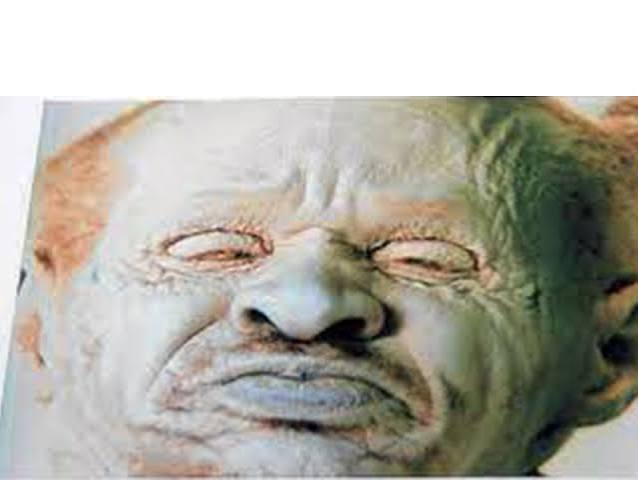
Ghana is considering the building of a historical museum for the preservation of the remains of King Badu Bonsu II and other Ahanta leaders executed in 1838 by the Dutch, who, at the time, were in control of the Western Region of Ghana, a member of parliament has said.
Mavis Kuukua Bissue, member of parliament for Ahanta West Constituency in the Western Region, said on Friday during the 2026 Ghana Diaspora Town Hall Meeting that the proposed museum would also house traditional Ahanta artifacts forcibly appropriated by the Dutch, which are being returned, and would serve as a place to honor the brave ancestors of the Ahanta people.
Bissue said she had been in discussion with President John Dramani Mahama concerning the proposed historical museum to honor those who resisted colonization and slavery in that part of Ghana.
King Bonsu and the others executed by the Dutch were brave Ahanta leaders who stood up to defend their African kingdom against the invading Europeans and must be honored by their country, she said.
“The museum will, therefore, be a place to help future generations to never lose the story of the brave ancestors of the Ahanta people, a place where the body of the King Badu Bonsu and the others will be buried, and where the Ahanta artifacts returned to us will be displayed for the world to see,” Bissue added.
Badu Bonsu II, king of the Ahanta people, rebelled against the Dutch government in 1837, and his forces fought and killed several Dutch officers.
In retaliation, the Dutch fought back and captured Bonsu, sentencing him to death. He was executed in 1838, his body dismembered, and his head carried away to the Netherlands. The head of Bonsu was returned to Ghana in 2009.