
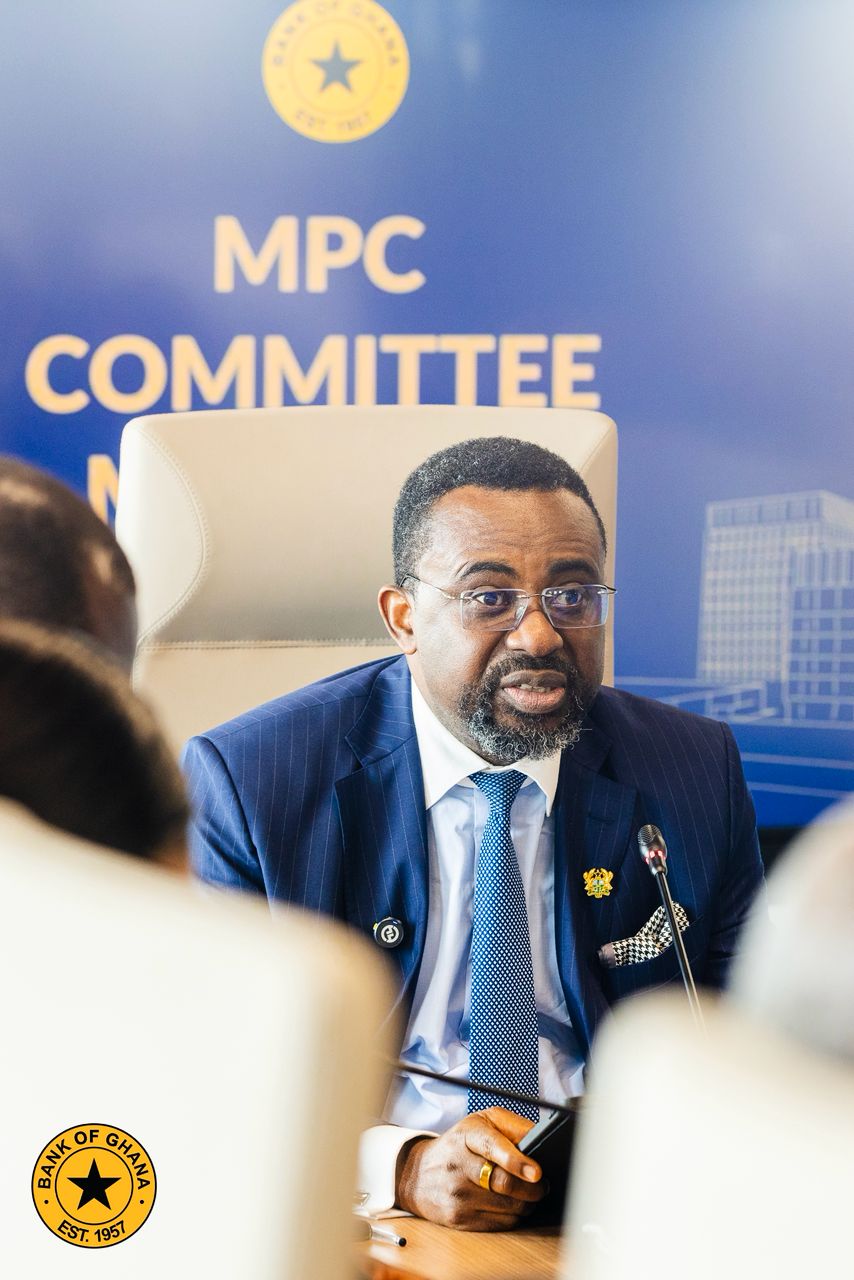
The ongoing crisis in the Middle East could weaken Ghana’s recent economic gains if it persists, Bank of Ghana Governor Johnson Asiama warned on Monday.
Opening the March Monetary Policy Committee (MPC) meeting, Asiama said the very conditions that aided the rapid recovery of the Ghanaian economy are now under pressure and could change the trajectory of success.
The escalation of conflict in the Middle East, according to the governor, has disrupted key energy and shipping corridors, increased volatility in global oil markets, and introduced new uncertainty into the trajectory of global inflation.
The governor cautioned that higher energy costs occasioned by the geopolitical tensions could trigger increased domestic inflation through imported costs.
“For Ghana, sustained oil price increases raise the risk of imported inflation, which could necessitate policy tightening with implications for financial conditions,” he highlighted.
He, however, added that such global situations could offer Ghana some bright prospects in the form of higher gold prices, which would benefit the country’s trade balance, adding quickly that “the net balance of risks from this external shock is inflationary.”
Therefore, Asiama urged the members of the MPC to carefully consider the complex issues at hand and assist the bank in making decisions based on sound judgment to effectively navigate the impact of emerging external factors.