
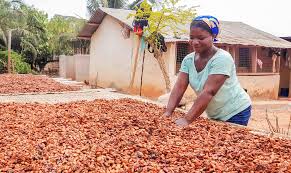
Ghana, the world’s second-largest cocoa producer, on Thursday announced a 28.6 percent cut in the producer price for cocoa beans amid a raft of bold measures to reform and save the industry from collapse as global prices for the commodity fall.
Finance Minister Cassiel Ato Forson announced at a press briefing that the Ghana Cocoa Board (COCOBOD) would now purchase a ton of cocoa beans from farmers at 41,392 Ghana cedis (3,767 U.S. dollars) per metric ton, instead of 58,000 cedis (5,278 dollars) as announced at the start of the 2025/2026 crop season last September.
Forson said the decision was taken at an emergency cabinet meeting on Wednesday, explaining that the drastic price cut became necessary due to a fall in global cocoa prices, with COCOBOD struggling to raise the necessary funds to pay farmers for cocoa purchased.
Low demand for cocoa beans globally has forced prices to below 4,000 dollars per metric ton on the world stage, from about 7,000 dollars per ton as of Sept. 2025.
“This situation has led to buyers’ unwillingness to buy Ghana’s cocoa beans, which have become more expensive and uncompetitive,” the minister added.
According to the minister, COCOBOD, the country’s cocoa sector regulator, is struggling to sell about 50,000 metric tons of cocoa at ports while owing Licensed Buying Companies (LBCs) about 2.04 billion cedis (185 million dollars), leaving farmers in want for months.
He said the regulator had purchased the current stock of beans far above the prevailing world market price and would incur losses after exporting them at the price being offered by international buyers.
Consequently, the minister said the cabinet had directed the COCOBOD to start paying affected farmers at the new price for their purchased cocoa beans.
The government, according to the minister, would send a new proposal to parliament to reform the cocoa sector, starting from raising money from the domestic bond market for the purchase of cocoa in every crop season, instead of the current model of syndicated foreign loan, and repaying the same with proceeds from cocoa sales within the same season.
He said the new bill would also guarantee the payment of 70 percent of the international FOB price for the commodity to farmers.
Ultimately, Forson said the government had arranged with local processing companies to start processing 50 percent of the beans produced by Ghana each year, led by the state-owned cocoa processing company, and gradually reduce the volume of raw cocoa beans exported